
Educational Games for Students: How to Keep Your Skills Fresh During Term Breaks
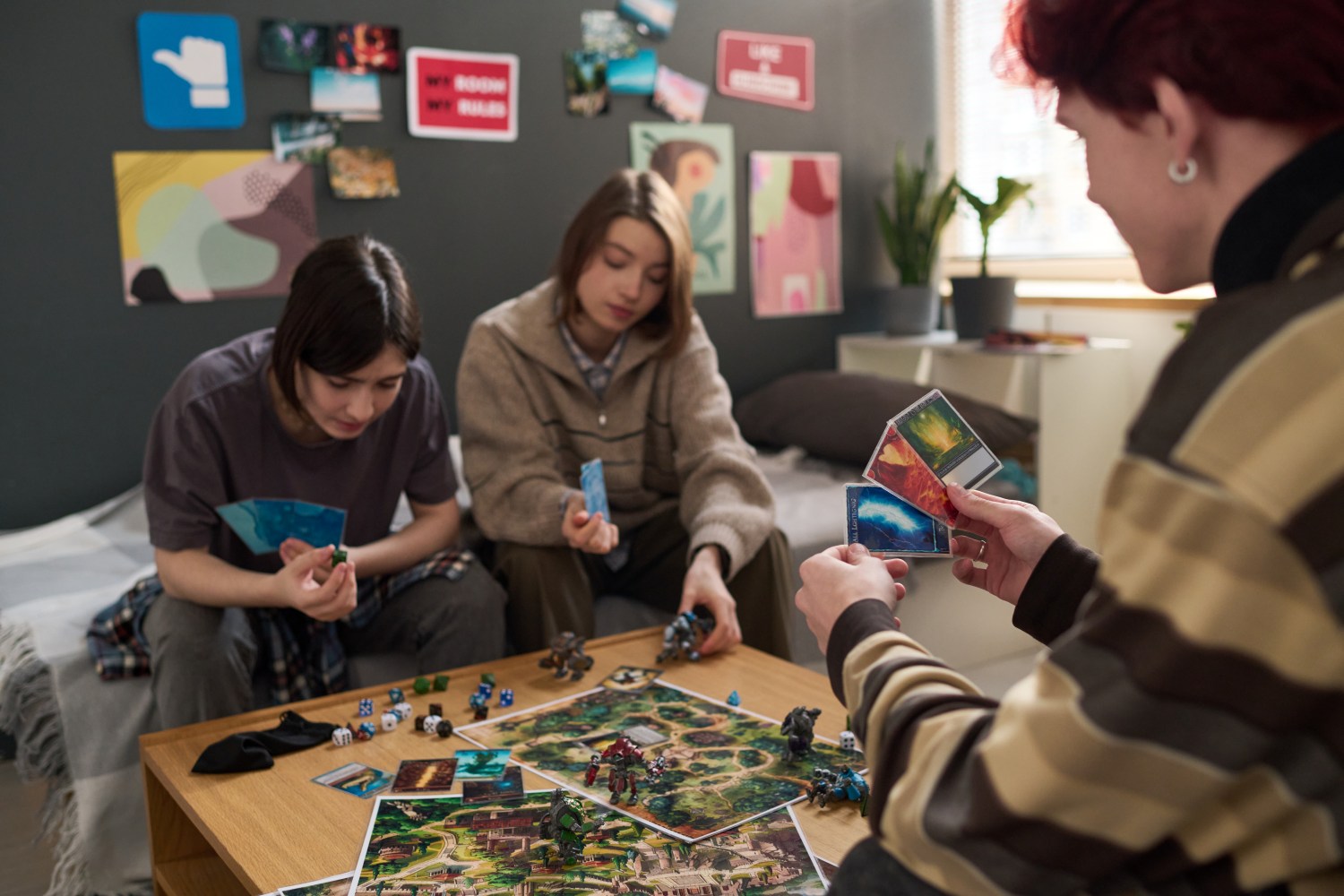
Your students deserve a well-earned break in the coming holidays, but you may have concerns over keeping their academic skills sharp for the next term. How can you help them keep their skills sharp for the next term without assigning stacks of homework?
Fortunately, nobody said your “homework” has to be boring.
We'll explore why educational games are effective for building skills and suggest different types of educational games and interactive games you can use with your for secondary students to make holiday learning fun.
So.. Why Are Educational Games Effective for Building Skills?
Educational games are effective because they harness the power of play to make learning fun and engaging, which is a powerful motivator for secondary students.
This isn't just theory; a large-scale study supported by the National Institutes of Health (NIH) on nearly 2,000 children found that those who played video games for three hours per day performed better on cognitive skills tests involving impulse control and working memory.
These interactive games also build cognitive skills like critical thinking and problem-solving, which are essential humanities skills and foundational for academic success.
Three Types of Educational Games to Recommend to Your Students
There are many types of educational games available that are both fun and enriching. These games aren't just time-fillers; they are powerful tools to keep your students' skills sharp and engaged.
English Games
English games are excellent for building vocabulary, spelling, and comprehension. These skills are directly tested on the O-Level English paper. The word association in these games helps students build a stronger mental library, much like targeted English tuition.
Some easy-to-find English games you can challenge your students to over the holidays include:
- Scrabble: The classic word-building game. Challenge students to define the high-scoring words they use.
- Taboo: How do you describe a word without using its most common synonyms? This is a fantastic test of vocabulary range.
- Codenames: This game is all about word association and making connections between seemingly unrelated concepts.
- Online Word Puzzles: Daily puzzles like The New York Times' Connections and Wordle are perfect 5-minute challenges for pattern recognition.
History Games
History games bring the past to life in a dynamic way, building historical empathy and interest. More than just trivia, these games make history engaging, forcing players to make tough choices and build critical thinking. This is a key skill for the combined humanities syllabus and something we refine in humanities tuition.
If you’re looking for a gateway to get your secondary-level students interested in history, you can try these games:
- My Child Lebensborn: A powerful narrative game that explores the aftermath of WWII from a unique perspective, building deep historical empathy.
- Trekking Through History: A lighter, fun way to meet historical figures and events while learning to place them in chronological order.
- Through the Darkest of Times: Puts players in the shoes of a civilian resistance group in 1G30s Berlin. It’s a compelling lesson in choices and consequences.
Math Games
Math games can make a tough subject more palatable. These games often rely on logic and quick mental arithmetic, strengthening a student's problem-solving speed without them reaching for a calculator.
If you’re looking for a gateway to get your students interested in math, you can try these games:
- 2048: Deceptively simple. This sliding puzzle game forces students to think several steps ahead, all while doing quick addition.
- Sudoku and KenKen: These are pure logic puzzles that sharpen numerical reasoning and pattern recognition.
- Euclidea: A brilliant game that turns geometric constructions into puzzles, building a deep, intuitive understanding of geometry.
- Blokus: A visual-spatial strategy game that feels like Tetris, perfect for developing spatial reasoning skills.
Tips to Make the Most of Educational Games
Of course, just telling students to play games might not lead to productive learning. To prevent fun from becoming a slippery slope, it's important to frame these activities correctly for effective, focused learning.
Here is some advice on how to use games for effective learning:
- Set clear learning goals: What specific skill is the student practising? (e.g., "Use 10 new vocabulary words in Scrabble.")
- Ensure alignment: Choose games that reinforce specific academic subjects or relevant skills, like those needed for English or History.
- Reflect after playing: Ask your student to connect the in-game experience with their subject. (e.g., "How did that Codenames clue relate to the theme of irony?")
illum.e: Your Partner in Academic Success

While educational games are excellent for keeping skills fresh, they work best as a supplement to structured guidance. illum.e's classes are similarly dynamic, designed to cultivate the same critical thinking and problem-solving skills needed to master complex subjects.
We encourage students to embrace these games to stay sharp. For expert guidance and a structured path to success in the new term, consider illum.e for strategies and support that help students start the year with confidence.