
What to Ask During a Parent-Teacher Meeting?
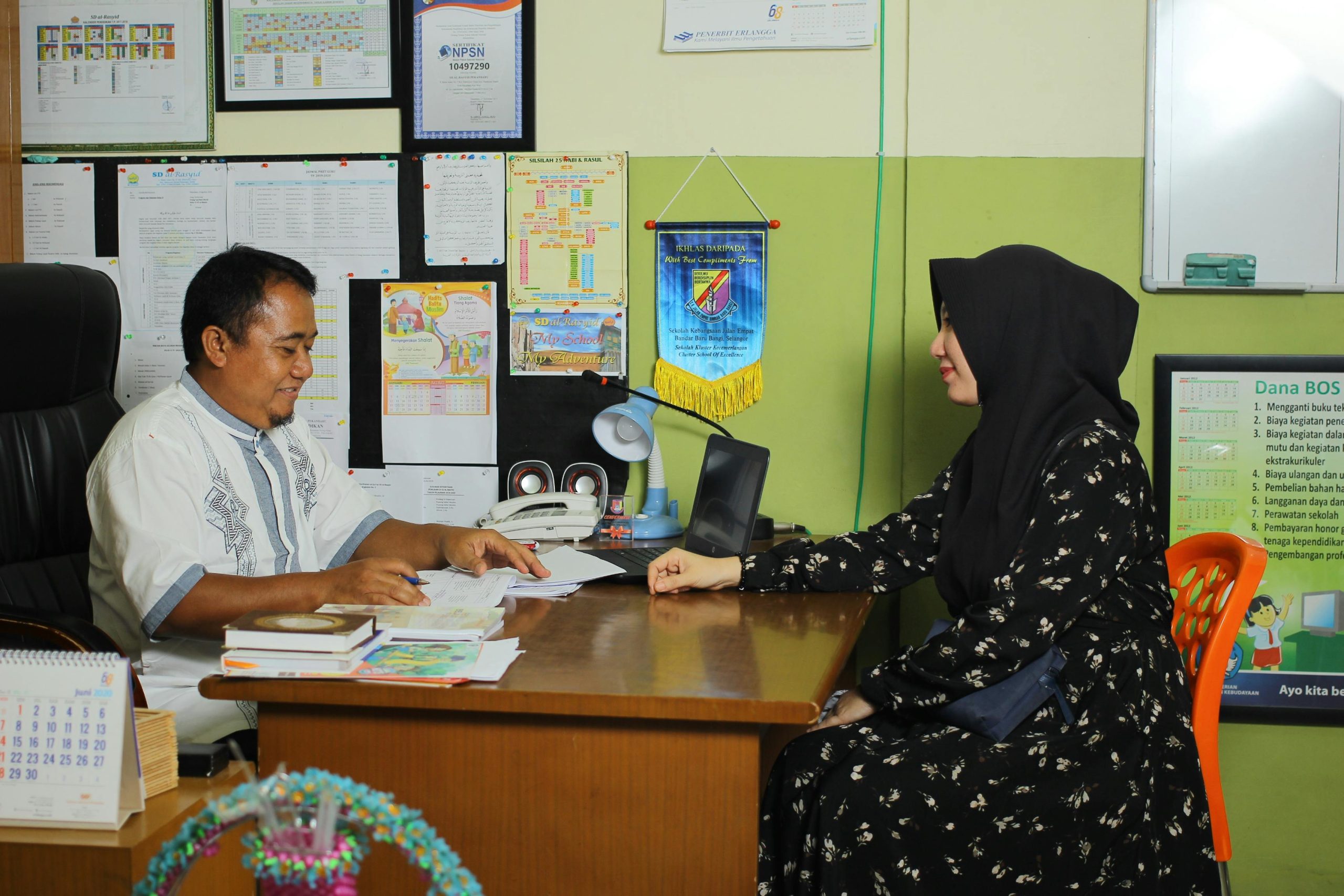
Parent-teacher meetings can be a source of anxiety for many parents. While the meeting can provide valuable insights into your child’s school life, you wonder what to ask your child’s teacher during the parent-teacher meeting. To help you make the most of this opportunity, we outline some of the most important questions to ask during the meeting.
Goals of the Parent-Teacher Meeting
Parent-teacher meetings are a vital bridge between home and school, facilitating communication and collaboration to support your child's overall development. For you, these meetings offer a window into your child's academic progress, social interactions, and emotional well-being within the school environment.
For teachers, they provide valuable context about your child's home life, learning habits, and any external factors that may be influencing their academic performance.
This exchange of information allows both parties to gain a more holistic understanding of your child, enabling you to provide better support and guidance.
5 Parent-Teacher Meeting Questions You Should Ask
1. How Is My Child Doing Socially and Emotionally?
This question delves into your child's social relationships and emotional development. Understanding how your child interacts with their peers, manages their emotions, and navigates the social dynamics of the classroom can provide insights into their overall well-being.
The information also allows you and the teacher to identify potential challenges and collaborate on solutions during the meeting. For example, if your child struggles to make friends or is experiencing social anxiety, the teacher might suggest strategies to help them build social skills and confidence.
2. What Are My Child's Academic Strengths and Weaknesses?
Understanding your child's academic strengths and weaknesses is crucial for providing targeted support. By identifying areas where your child excels, you can offer encouragement and positive reinforcement.
Conversely, recognising the signs that your child might need extra academic support allows you to address challenges early on. This might involve working with the teacher to develop strategies for improvement, providing extra practice at home, or considering additional support like tuition classes.
3. How Are Grades Determined?
Clarifying grading systems is essential for supporting your child's academic progress. For example, the recent implementation of the Full Subject-Based Banding system in secondary schools will influence students’ subject choices and progression.
During the parent-teacher meeting, ask the teacher about the skills and knowledge your child needs to master to perform well in class. By knowing about the assessment criteria and objectives, you’re better positioned to support your child academically, whether it’s through coaching at home or enrolment in a tuition class to supplement their learning.
4. How Can I Help You to Support My Child at Home?

By asking this question, you demonstrate your willingness to actively participate in your child's education and collaborate with the teacher beyond the parent-teacher meeting. It opens up a dialogue for long-term support and allows the teacher to provide specific suggestions tailored to your child's needs.
The teacher might recommend resources and measures to help reinforce learning at home. By actively seeking and implementing the teacher's suggestions, you create a consistent learning environment that supports your child's academic growth at home and in school.
5. Ask to Share Details That the Teacher Should Know
Significant events or changes in your child's home or family life may affect their behaviour or academic performance. In such cases, sharing this information during the parent-teacher meeting is helpful.
For example, a new baby in the family, a recent move, or a family illness can all impact a child's emotional state and ability to focus on their studies.
Keeping the teacher informed enables them to provide appropriate support and understanding during this time.
A Collaborative Relationship
Parent-teacher meetings are invaluable opportunities to collaborate with your child's educators for their academic, social, and emotional well-being. Approach these meetings with an open mind, actively listen to the teacher's insights, and be prepared to share your observations and concerns.
Remember, you're not alone in supporting your child's education. If your child needs additional academic guidance, resources like an MOE-registered tuition centre can complement your child’s learning journey. Illum.e offers specialised programmes, such as Primary English tuition and Secondary History tuition, that help students deepen their conceptual knowledge and strengthen their skills.
By actively engaging in parent-teacher meetings and leveraging available resources, you can empower your child to thrive and reach their full potential in school.